


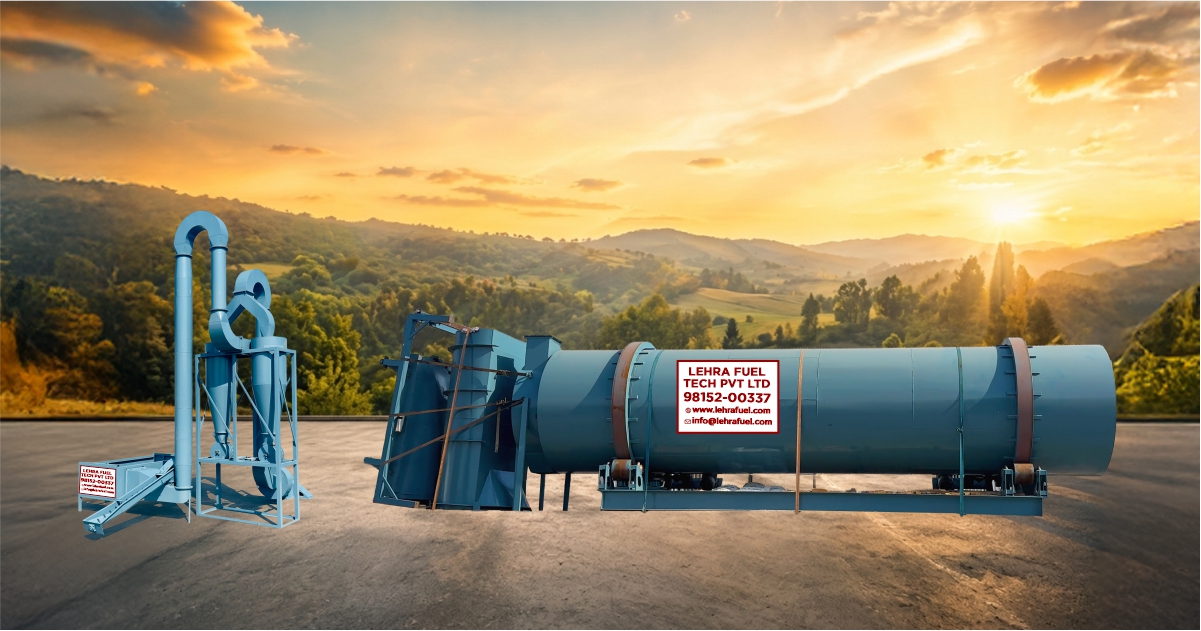
Difference Between Rotary Dryer and Flash Dryer for Biomass
In the biomass processing and briquetting industry, moisture control plays a critical role in ensuring high-quality fuel production. Whether you are using a briquetting machine or a pellet plant, drying raw material to the correct moisture level (8–15%) is essential.
Two of the most commonly used drying technologies are rotary dryers and flash dryers. While both serve the same purpose, they differ significantly in working principle, efficiency, cost, and application.
In this blog, we’ll break down the key differences to help you choose the right dryer for your biomass business.
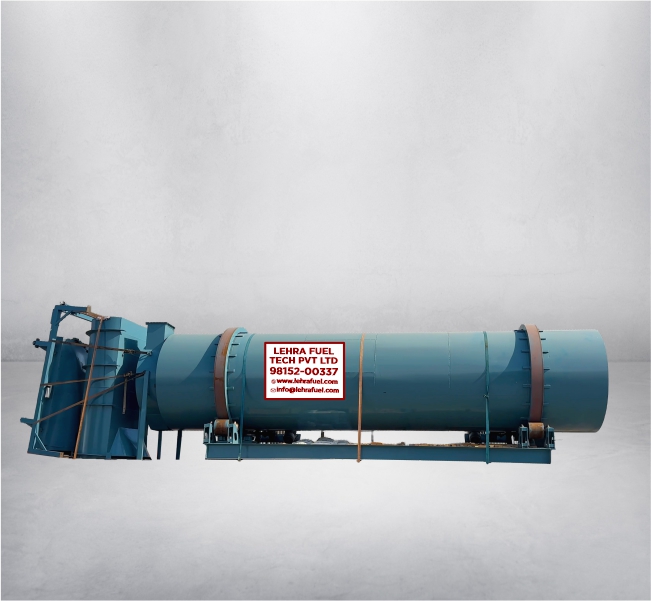
What is a Rotary Dryer?
“ A rotary dryer is a large cylindrical drum that rotates slowly while biomass material passes through it. Hot air is introduced, gradually removing moisture as the material tumbles inside. ”
Key Features:
● Drum-based rotating system
● Suitable for bulk and coarse materials
● Continuous drying process
● Handles high moisture content
Common Biomass Materials:
● Wood chips
● Bagasse
● Agricultural waste
● Sawdust
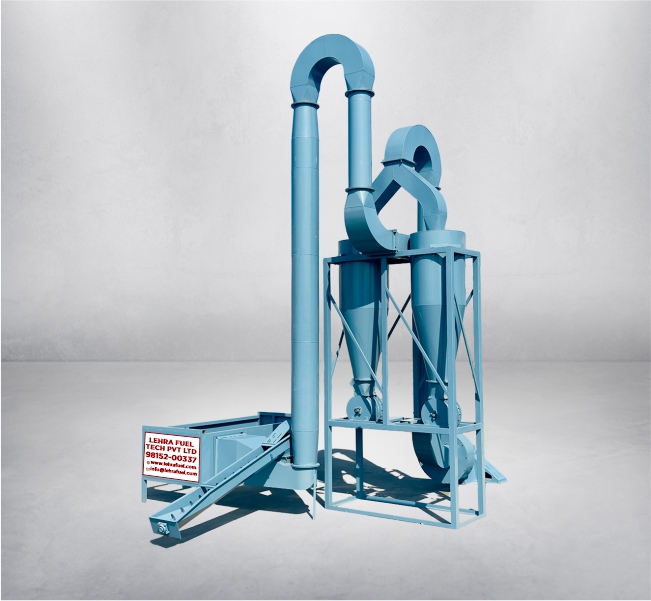
What is a Flash Dryer?
“ A flash dryer uses high-speed hot air to dry fine particles instantly. The biomass is suspended in a stream of hot air, and moisture evaporates within seconds. ”
Key Features:
● High-speed drying process
● Compact design
● Ideal for fine materials
● Instant moisture removal
Common Biomass Materials:
● Fine sawdust
● Rice husk powder
● Small biomass particles
Rotary Dryer vs Flash Dryer: Key Differences
1. Working Principle
● Rotary Dryer : Uses a rotating drum to dry material slowly
● Flash Dryer : Uses high-velocity hot air for instant drying
2. Drying Speed
● Rotary Dryer : Slower (takes minutes)
● Flash Dryer : Very fast (takes seconds)
3. Type of Raw Material
● Rotary Dryer : Best for large, coarse, or uneven materials
● Flash Dryer : Best for fine and uniform particles
4. Moisture Handling Capacity
● Rotary Dryer : Can handle very high moisture (up to 50–60%)
● Flash Dryer : Suitable for moderate moisture levels
5. Energy Consumption
● Rotary Dryer : Higher energy consumption
● Flash Dryer : More energy-efficient for fine materials
� Flash dryers save energy in the long run for suitable materials.
6. Space Requirement
● Rotary Dryer : Requires a large installation space
● Flash Dryer : Compact and space-saving
� Flash dryers are ideal for smaller setups.
7. Cost Comparison
● Rotary Dryer : Higher initial investment
● Flash Dryer : Lower to medium cost
� However, the overall cost depends on capacity and usage.
8. Maintenance
● Rotary Dryer : More mechanical parts, higher maintenance
● Flash Dryer : Fewer moving parts, easier maintenance
Which Dryer is Best for Briquetting?
The choice depends on your raw material and production scale.
Choose Rotary Dryer if:
- You handle wet and bulky biomass
- Your raw material is not uniform
- You operate a large-scale plant
Choose Flash Dryer if:
- You work with fine particles like sawdust
- You need a fast-drying and compact setup
- You want lower operational costs
Role of Drying in Briquetting and Pellet Production
Drying is a crucial step before feeding material into a briquetting machine or pellet press.
Proper drying ensures :
- Better briquette formation
- Higher calorific value
- Reduced smoke emissions
- Improved machine efficiency
Incorrect moisture levels can lead to:
- Poor-quality briquettes
- Machine blockages
- Increased wear and tear
Can You Use Both Dryers Together?
Yes, in large industrial setups, both dryers can be used in combination:
● Rotary dryer for initial moisture reduction
● Flash dryer for final fine drying
This hybrid approach improves efficiency and ensures consistent output.
Final Thoughts
Both rotary dryers and flash dryers have their own advantages. The right choice depends on your raw material type, budget, and production requirements.
● Rotary dryers are ideal for heavy-duty, high-moisture biomass
● Flash dryers are perfect for fast, efficient drying of fine materials
Investing in the right drying system will not only improve your fuel quality but also enhance the performance of your briquetting machine and overall profitability.