


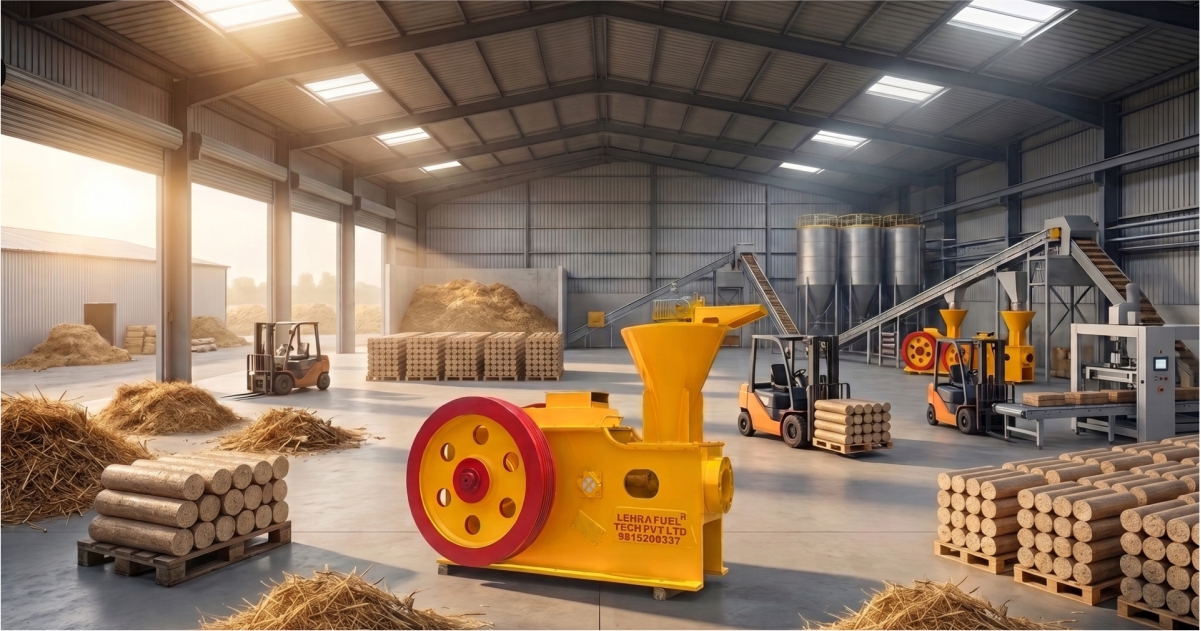
Briquette Machine Capacity Guide: Which Model is Right for You?
As industries around the world move toward cleaner and more sustainable energy solutions, biomass briquetting has emerged as one of the most practical ways to convert agricultural and forestry waste into valuable fuel. Every year, millions of tonnes of biomass residues such as rice husk, sawdust, cotton stalk, wheat straw, and bagasse are either burned in open fields or discarded as waste. With the help of a Briquette Machine, these residues can be transformed into high-density biomass briquettes that serve as an efficient and eco-friendly alternative to conventional fossil fuels.
However, purchasing a Briquette Machine is not simply about selecting a manufacturer or comparing prices. One of the most critical decisions is choosing the right machine capacity. A machine that is too small may struggle to meet production targets, while an oversized machine can lead to higher investment costs and underutilized resources. Selecting the appropriate capacity ensures smooth operations, better productivity, lower maintenance costs, and a quicker return on investment.
For businesses entering the biomass industry or expanding an existing briquetting plant, understanding machine capacity is essential. This guide from Lehra Fuel Tech Pvt. Ltd., a trusted name in biomass processing equipment, explains the importance of choosing the right Briquette Machine and the key factors every buyer should consider before making an investment.
What is a Briquette Machine?
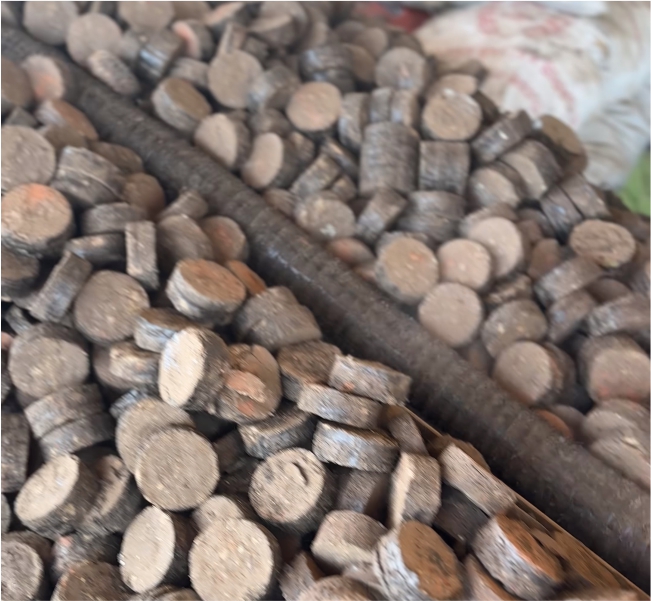
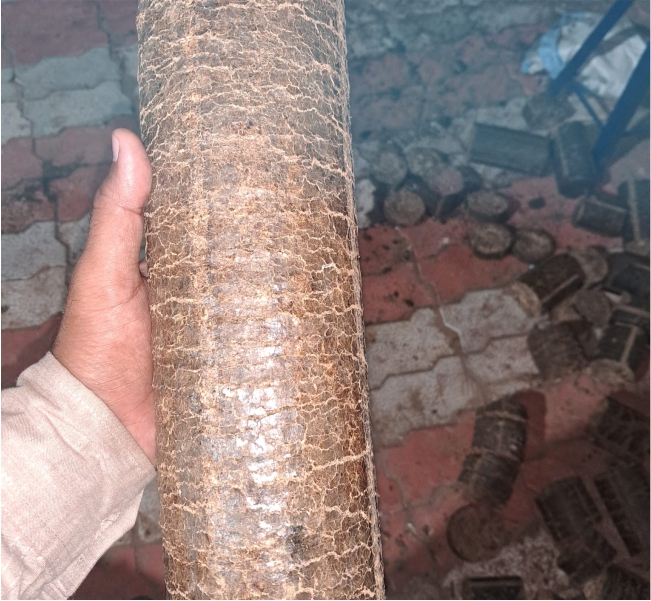
A Briquette Machine is an industrial system designed to compress loose biomass materials into compact, cylindrical briquettes under high pressure. These briquettes are used as renewable solid fuel in industrial boilers, furnaces, kilns, and heating systems. Unlike loose agricultural waste, briquettes have higher density, better combustion efficiency, lower moisture content, and are much easier to transport and store.
The process of briquetting not only converts waste into a valuable energy source but also contributes to better waste management and environmental conservation. Instead of allowing agricultural residues to decompose or burn in open fields, industries can utilize them to produce clean fuel that replaces coal and firewood in many applications.
Modern Briquette Machines are capable of processing a wide variety of biomass materials, including:
● Rice Husk● Sawdust
● Wheat Straw
● Mustard Husk
● Cotton Stalk
● Groundnut Shell
● Sugarcane Bagasse
● Other Agricultural Waste
The versatility of a Briquette Machine makes it an ideal investment for industries seeking sustainable fuel solutions while reducing disposal costs associated with biomass waste.
Why Capacity Matters When Choosing a Briquette Machine
Many buyers compare machines based only on purchase price, overlooking production capacity. In reality, the capacity of a Briquette Machine directly influences plant efficiency, operational expenses, and long-term profitability.
A machine with insufficient capacity may force operators to run longer shifts, increase wear and tear, and create production bottlenecks. On the other hand, investing in a machine that exceeds actual production requirements may increase capital costs and electricity consumption without delivering proportional financial benefits.
Choosing the right capacity provides several operational advantages:
1. Consistent Production :The appropriate Briquette Machine maintains a steady production rate throughout the working day, ensuring customer demand is met without unnecessary downtime.
2. Improved Resource Utilization :Matching machine capacity with available biomass helps businesses utilize raw materials efficiently while minimizing waste and storage issues.
3. Reduced Operating Costs :Machines operating within their recommended production range consume energy more efficiently and require fewer maintenance interventions.
4. Better Product Quality :Properly selected machinery produces uniform briquettes with consistent density and combustion characteristics, improving customer satisfaction.
5. Faster Return on Investment :When production capacity aligns with market demand, businesses recover their investment more quickly through stable operations and higher productivity.
Key Factors to Consider Before Selecting a Briquette Machine
Every biomass processing facility has different operational requirements. Understanding these requirements before purchasing equipment helps businesses choose the most suitable Briquette Machine.
1. Assess Your Production Requirements : Begin by estimating your daily and monthly briquette production targets. Production capacity should match your current demand while allowing room for moderate future growth.
2. Evaluate Raw Material Availability : The performance of a Briquette Machine depends heavily on a consistent supply of biomass. Before investing, evaluate:
- Annual biomass availability
- Seasonal variations
- Transportation costs
- Storage facilities
- Raw material quality
Businesses located near agricultural regions often benefit from abundant biomass resources, making briquetting a highly profitable venture.
3. Understand Raw Material Characteristics : Different biomass materials possess different physical properties. Factors such as particle size, bulk density, and moisture content influence briquette quality and machine performance.
- Rice husk
- Sawdust
- Wheat straw
- Sugarcane bagasse
Ensure moisture content is around 10–15% for efficient briquette production.
4. Invest in a Briquetting Machine : Different biomass materials possess different physical properties. Factors such as particle size, bulk density, and moisture content influence briquette quality and machine performance.
Proper preparation of biomass before feeding it into the Briquette Machine improves production efficiency and reduces wear on machine components.
5. Control Moisture Content : Moisture is one of the most important factors in successful briquetting.
Biomass with excessive moisture may produce weak briquettes and reduce production efficiency, while overly dry material can also affect briquette quality. Maintaining the recommended moisture level ensures stable machine performance and superior fuel quality.
For this reason, many biomass plants incorporate drying systems before the briquetting stage.
6. Consider Available Power Infrastructure : Industrial machinery requires reliable electrical infrastructure.
Before installing a Briquette Machine, businesses should verify:
- Electrical load availability
- Transformer capacity
- Stable voltage supply
- Future power requirements
Adequate power infrastructure ensures uninterrupted operation and minimizes unexpected production interruptions.
Why Choose Lehra Fuel Tech Pvt. Ltd.?
For nearly three decades, Lehra Fuel Tech Pvt. Ltd. has been delivering advanced biomass processing solutions to customers across India and international markets. The company specializes in manufacturing high-performance Briquette and Pellet Machines designed to handle diverse biomass materials while delivering consistent production and long service life.
Lehra Fuel Tech Pvt. Ltd. focuses on innovation, quality manufacturing, and customer satisfaction by providing complete briquetting solutions—from project consultation and machine installation to technical support and maintenance assistance. This customer-centric approach has made Lehra Fuel Tech Pvt. Ltd. a preferred choice for industries looking to establish reliable and efficient biomass briquetting plants.